

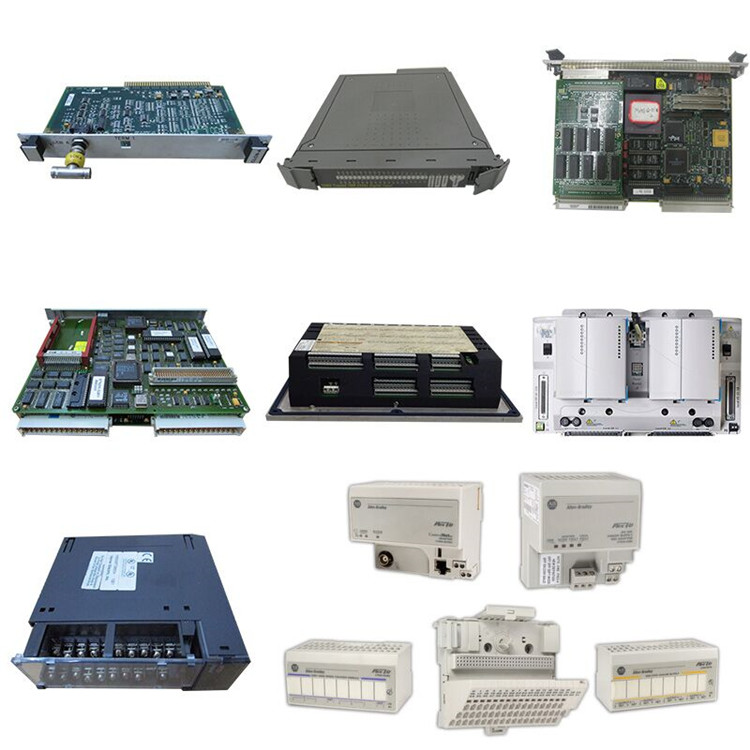
英维思(3008, 3625, 3508E.3721, 3700A 4351B)
本特利(3500/42M, 3500/ 22M, 3500/ 95.3500/05)
黑马(F3330, F3236, F6217, F7126, F8621A)
福克斯波罗(FBM203, FBM204, FBM217, FMB231)
AB: (1746 1747 1756 1770 1771 1785触摸屏2711系列CPU PLC)
普罗索芙特PROSOFT MVI46/56/69, AB旗下,跟AB模块
瑞恩RELIANCE模块,卡件
飞利浦EPRO MMS6210/ 621…. PR6423/003-031
美尔托Meltal MT1102-02-00, MS3101-00-00, MS3102-01-00
横河YOKOGAWA AAI, ADV, ADI, ANB, AMM, SB, PW(型号开头),卡件模块(CPU,电源,输出,PLC)
摩尔MOORE Q开头, 3开头模块,像电视显示器
你的满意是我们不懈的追求;
你的口碑相传是对我们好的回报;


Common sense analysis technology and characteristics of CI801-EACI801 equipment
pursuit. For example, the abacus, which Mr. Yang Zhenning called "the early computer in the world", was a mainstream computing tool until the popularization of PC. In the 1970s and 1980s, many Chinese parents sent their children to learn mental arithmetic and abacus. The abacus itself was a tool endowed with rules and reflecting human wisdom. In essence, it came down in the same line with today's PCs, smartphones and tablet devices.
IBM "Deep Blue", which defeated Kasperov, is regarded by many as a milestone in AI research. When playing chess, the chess players who can come up with more subsequent moves, the possible response of the opponent, the changes brought about by the changes, and the corresponding adjustment of the chess path after the changes are obviously more successful, and the advantages of computers in this respect are self-evident. The human brain can only imagine a few or more moves, but the machine can simulate all the possibilities. That is to say, even if it is not "Dark Blue", there will be other computer players who will challenge human success sooner or later. And based on the current level of information technology development, if the human-computer competition in the chess world becomes a regular event every year, it is very likely that no one can defeat the machine opponent - even a Windows Phone. Of course, computer chess players cannot capture the position of Go originating from China in the short term, which makes us proud of the profound wisdom of our ancestors. Some people estimate that the probability of change of Go is 122 times greater than that of chess 10. The computer chess method is to exhaust all possibilities, while human beings can selectively prune and deepen according to experience. It can be imagined that if we only make "judgments" by improving machine performance, storing chess scores, and optimizing algorithms, because the amount of computation that needs to be processed in real time is too large, the existing powerful computers cannot defeat the human masters.
However, it is true that computers are different from any tools previously invented by humans. This difference is reflected in the following aspects: First, it is not a special tool that has been solidified when it leaves the factory, such as a bicycle and a DVD player. Its ability depends on the program installed by the user. Second, it can inject new vitality into various special tools. For example, the recently discussed "wearable device" just embeds some computing power into "traditional tools" such as wristbands, watches, glasses, etc. to establish data association with mobile phones and PCs.
All "tools" contain the intelligence, experience and ingenuity of their human creators. In a broad sense, AI is to give reasonable functional characteristics to products, and work with human beings to accomplish things that we cannot and cannot do well, so as to achieve the effect of "human+machine=superman". Just like hammers and axes are the strengthening and continuation of people's arms, cars, ships and planes are the strengthening and continuation of people's legs and feet. In recent years, driverless cars have attracted much attention. It seems that this is a new form of intelligent machine, but unmanned aircraft has been invented many years ago - no one is required to control it. Compared with cars, which one is more intelligent?
In the past decades, the evolution of computer hardware performance and the expansion of software application fields have exceeded everyone's imagination. If we observe the extension of AI from a broad perspective, and recognize that all the tools that infuse human thinking about the world reflect a certain degree of "intelligence", we can say that intelligent devices are already everywhere in life.
Let the machine think and grow in its own way
"Hearing and seeing" is a compliment to people. Scientists have been trying to make computers understand the world in a human way, so voice recognition and computer vision have always been the focus of AI research - today we can talk to Cortana, or sit in an unmanned car equipped with a 360 ° dead angle camera to feel the technology of the robot driver.
Are Cortana and driverless cars a kind of robot? In a sense, yes. But if we say that a "real robot" must be able to think like a human and have a humanoid appearance - well, who knows what we want to do with a machine like a human? Behind everyone's stubborn obsession with humanoid machines, it is likely that they want to find a helper to do heavy work for themselves.
However, the reality is that there have been many machines that can help us do heavy work, whether it is coffee making, barbecue or washing dishes, cleaning... Do people like a sturdy robot running around with a white apron to do all the housework for us, or are they used to using various small equipment to complete different tasks?
If everyone loves robots, there are still many obstacles on the way to products. For example, pouring a cup of tea from the teapot on the table without overturning the cup or spilling tea is not a challenge for human children - children can complete the task without thinking. But for 0 "smart" robots, they have to go through difficult and complicated calculations. First of all, he should look at the table, recognize the teapot and teacup, pick up the teapot with appropriate strength (fingers are too thick, which may not be enough), lift the teapot, aim at the teacup at a just angle, perform the tea pouring action, and also judge how to make the cup full of tea. Even if it happens to succeed once, the next round of completely different tables, teapots and cups may still fail.
For a long time, scientists engaged in AI research, including those who are obsessed with creating humanoid machines, have always dreamed of transplanting human thinking, planning, and execution capabilities to machines. But how should machines act as people act? Is the path for people to achieve goals from A to B, and the machine should follow the same path? This kind of research is indeed of extraordinary scientific value, but it will also be difficult because of the paranoia that "giving steel tools human characteristics is considered successful".
Another idea is to jump out of the rut and stand in the perspective of machines to simulate and extend human thinking, rather than using human perspectives and habits to limit machines. The driverless car is not only equipped with two eyes, but also equipped with multiple radar sensors, panoramic cameras and laser rangefinders. The i-Robot cleaning robot is also round and flat, which is not human at all, but it must be easier to use than a two meter high machine cleaner when vacuuming.
At the beginning of the 20th century, the bottleneck of AI research was that people's logical thinking mode could hardly be copied to machines. Whether it was to sublimate low-level sound, image, smell and other signals to cognition, or to distill common phenomena into rules, it was not a skill that machines could master - machine learning and big data brought AI research into the spring, and new concepts such as deep learning and deep neural networks had emerged recently. A larger amount of data and fewer assumptions and restrictions can enable machines to "think" and grow in the way they are good at (data storage, mining, analysis), and then go faster and farther on the road of practicality.
Man machine relationship: master and assistant
Up to now, the advantages and disadvantages of intelligent machines (including all kinds of "robots") are equally distinct. They can more quickly and efficiently complete many tasks that are difficult for human beings to undertake: there are intelligent machines everywhere in laboratories, computing centers and other computing environments, in factories, assembly lines and other laborious and monotonous environments, in nuclear pollution sites, deep sea, space and other environments that are not accessible to human beings.
Processing data is a machine's strength. Many years ago, it took a long time to mobilize many people with professional knowledge to participate in the analysis of large-scale data. Now, the Internet and sensor networks all over the world are generating massive, multi-dimensional data all the time, which can not be effectively processed by relying on human brains, but it is a blink of an eye to analyze with computers. With the help of machines, people can quickly extract laws from phenomena and draw conclusions from laws. Today, the combination of AI and big data has been shown in every field and application. In the next two or three years, the diversified equipment initially equipped with the ability to see, listen and connect will in turn promote the leap forward of AI research, because more data will enable the machine to constantly discover more accurate rules and more realistic causes and effects.
But in the visible future, it is still not easy for machines to have the ability of independent selection, judgment, creation and decision-making close to that of humans. Like the smart Cortana, you can understand what you say in a quiet office, and follow your instructions to help you dial the phone, send messages, check videos, and book restaurants. But if it is in a noisy public place, such as a music festival or a cocktail party, Cortana will certainly become less smart, because too many sound signals make her unable to distinguish useful information. But what about people? Even if there are more guests on the scene and the voice is noisy, you can't hear every word of the interviewee clearly, but in most cases, you can still guess, supplement and understand the information sent by the other party, because your brain can remove the environmental noise, capture the signal you want to hear, and at the same time, based on the understanding of the field and language habits of the interviewee, you can fill in the loopholes in the unread sentences with imagination and thought extension, And the accuracy is quite high. Today's AI does not have this ability.
In the same way, machine translation tools can give definitions of words and even help us to translate every sentence word by word. However, if we listen and translate on the spot, it is neither necessary nor possible to translate word by word, because listening, identifying, translating, and selecting words and sentences all require thinking. However, if the translator knows the speaker well and knows that he has talked about similar topics before, it will save effort. Many times, The speaker spoke for a long time, and the translator could summarize and convey the exact meaning with only one or two idioms; On the contrary, the speaker just said a sentence related to the academic. The translator may not only express the original meaning, but also add notes to make the surrounding non professional audience understand - this is a person specific Generate and Test ability, which AI does not have.
The combination of signals captured by various senses and past knowledge accumulation to process information, judge and make decisions is a human specialty. The advantages of machines are data processing and pattern recognition, rather than judgment, creation and integration. So I believe that no matter how fast AI technology develops, the relationship between people and machines will still be the relationship between the master and the assistant.
To sum up, what kind of robots do we need?
A really useful robot is not necessarily the image of a person. A humanoid machine is interesting but not practical. Just imagine, when you stand next to a tall and strong humanoid machine, will you feel a sense of fear? Objectively speaking, the sturdy and huge robot is only suitable for factories and construction sites. We can imagine a universal and human like all-around machine, but the cost of ownership of this kind of equipment must be high. In addition, there are real problems such as space and energy consumption. In reality, most of the machines that have started to help us do all kinds of work are small and pleasing to the eye. In the future, our offices and homes will become more and more intelligent, but "intelligence" will be hidden invisibly in chandeliers, televisions, and walls, more like human beings living in intelligent machines, rather than just robots providing services in the image of people.
It may be worthwhile for scientists to develop machines with human like emotions, but their practical significance is far less than scientific significance. Nowadays, there are many intelligent machines in life. Although they have no emotions, is this a bad thing? Suppose your robot is capable and loves you, but the opposite of love is not just depression, anger and other negative emotions? Such robots may refuse your instructions when they are in a bad mood. They may also hope that they have the right to work for five days and rest for two days like people. I'm afraid this is not what we want to see.
ABB 3HNA000512-001
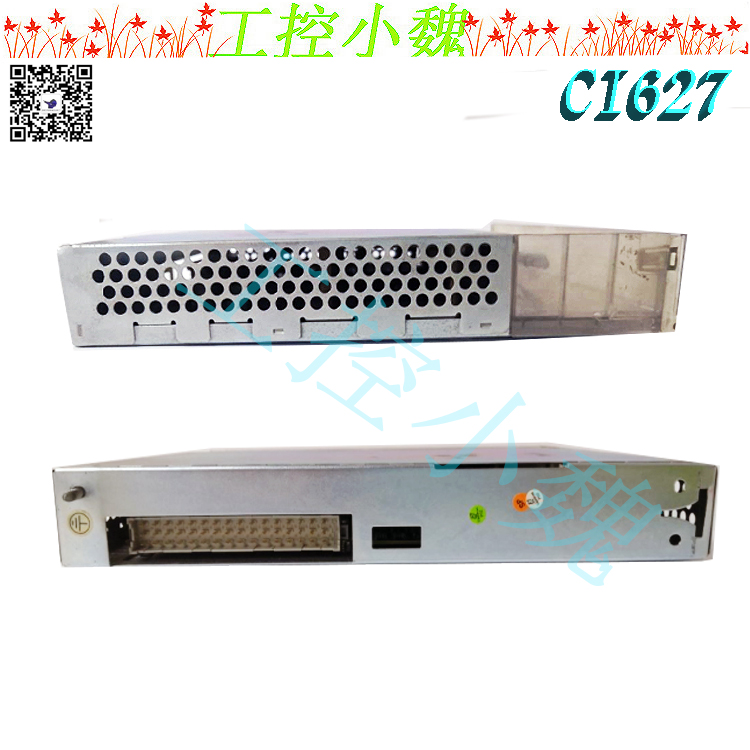
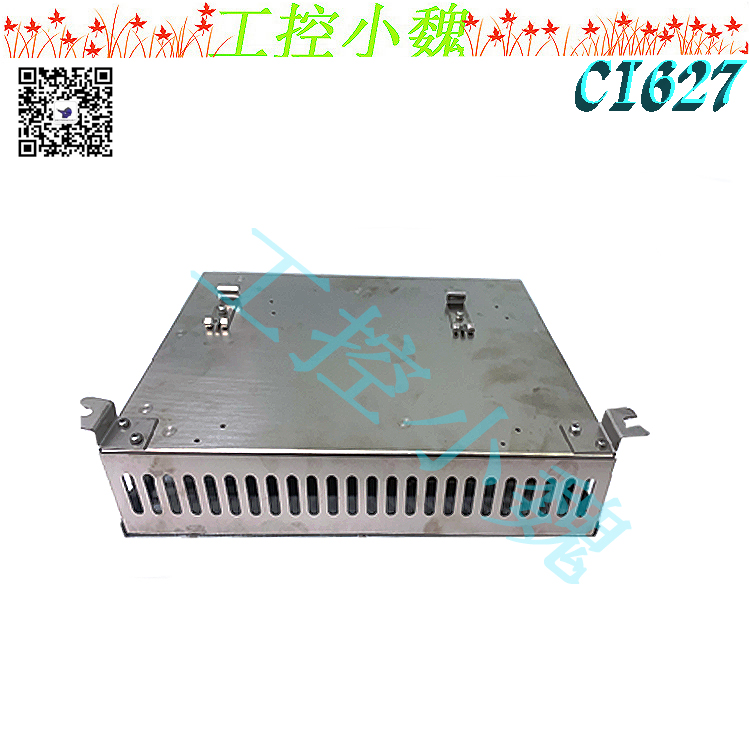
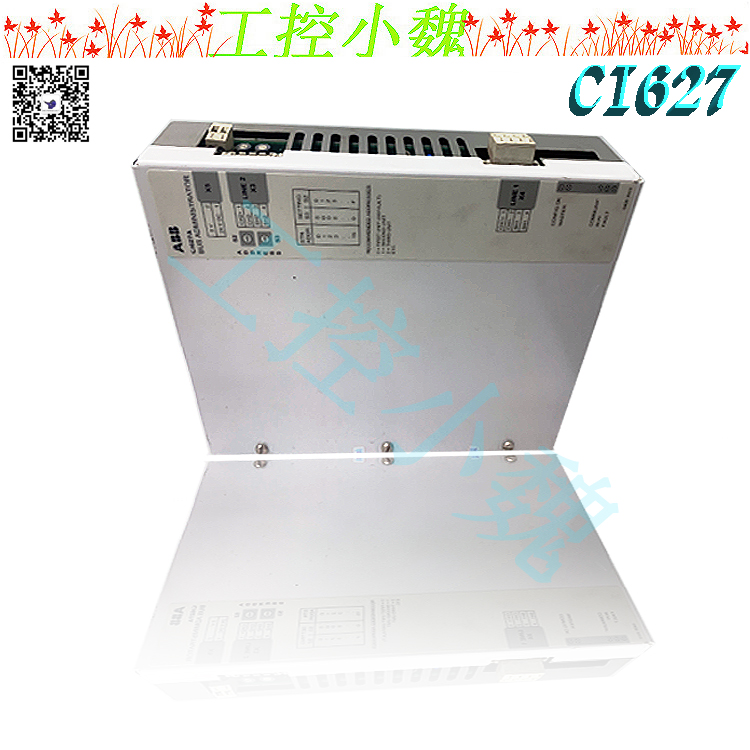
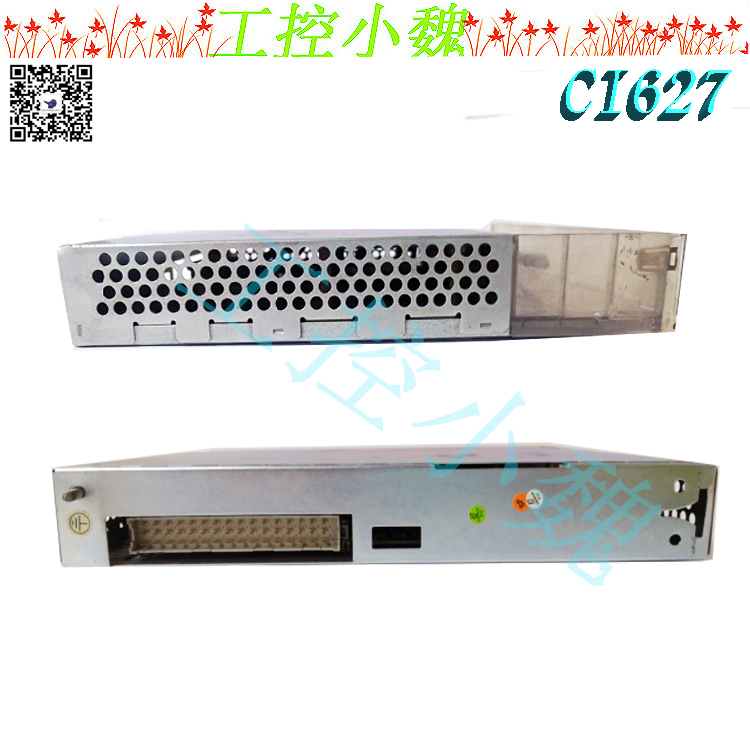
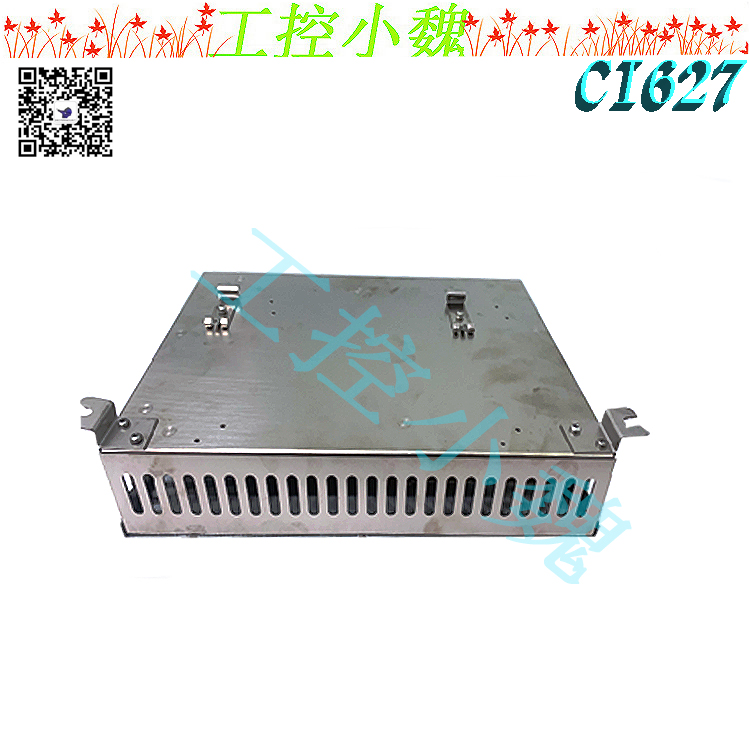
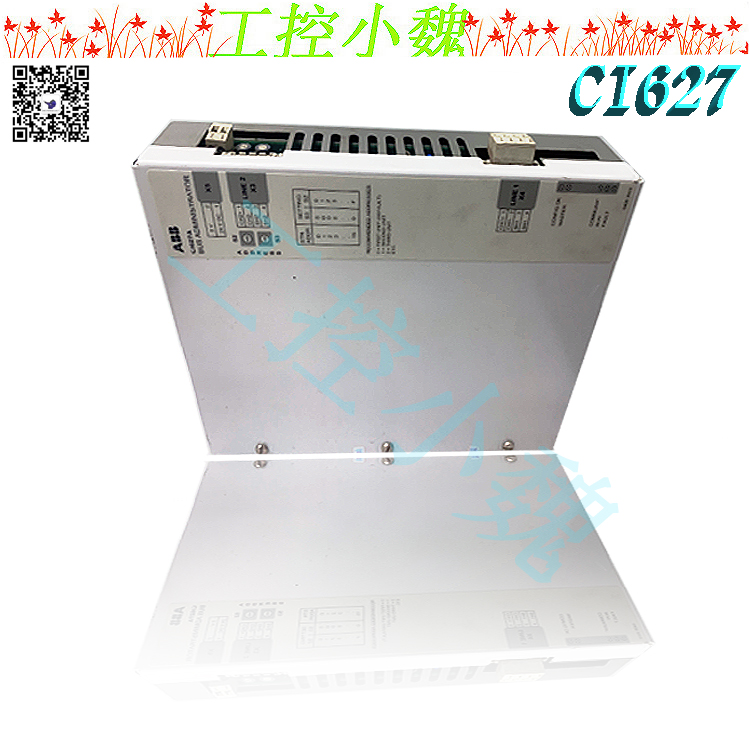
ABB CI627
ABB DI620
ABB AI625
ABB DO620
ABB BRC300
ABB AO610
ABB BRC300
ABB AI835
ABB DSPC172H
ABB 3HAC17326-1/02
ABB DSAI130
ABB
ABB DSPC170
ABB CI626
ABB DI610
ABB DSAI146
ABB SC520 3BSE003816R1
ABB PFSK151
ABB PM511V16 3BSE011181R1
ABB 3HNA000512-001
ABB SPCJ4D34-AA
ABB IMASI23
ABB DI651
ABB IMASI23
ABB IMDSI14
ABB PPD113B01-10-150000
ABB CI541V1 3BSE014666R1
ABB CI627
ABB SC520 3BSE003816R1
ABB CS513 3BSE000435R1
ABB PM802F
ABB SC510 3BSE003832R1
ABB 5SHY5045L0020
ABB DI620
ABB CI522A 3BSE018283R1
ABB PM630
ABB CI534V02 3BSE010700R1
ABB PCD231B101
ABB SC520M 3BSE016237R1
ABB INNPM12
ABB PM803F
ABB DO630
ABB PM633
ABB CI855-1
ABB 5SHY3545L0009
ABB PPD113B03-26-100110
ABB PPD113-B03-23-111615
ABB IMBLK01
ABB SC610
ABB PM633
ABB RF615 RC610
ABB DO620
ABB AI625
ABB IMDS014
ABB BRC300
ABB PCD231B
ABB 5SGX1060H0003
ABB PM632
ABB P-HA-RPS-32200000
ABB PFCL201C 10KN
ABB PM645B
ABB PPC902CE101
ABB PP846A
ABB TC630
ABB 5SHY3545L0014
ABB AO610
ABB DSDP140B 57160001-ACX
ABB UAD149
ABB 216EA61b
ABB BRC300
ABB 5SHX2645L0004
ABB 07AC91D
ABB AI835
ABB 5SHX2645L0004
ABB SPHSS13
ABB PPD113B01-10-150000
ABB DSPC172H
ABB FI830F
ABB 5SHX1060H0003
ABB ASE2UDC920AE01
ABB 5SHX2645L0004
ABB 3BHB003688R0001
ABB DSPC172H
ABB 800PP846A
ABB 3HAC17326-1/02
ABB PM511V16
ABB PM864AK01-eA
ABB PFSK152
ABB SR511 3BSE000863R1
ABB IW93-2 HESG440356R1 HESG216678/B
ABB M2004HW
ABB 216DB61
ABB IMHSS03
ABB DSQC202
ABB PFEA113-65
ABB P-HA-RPS-32200000
ABB PU515A
ABB 5SHY5045L0020
ABB AI625
ABB IMFECI2
ABB 504994880
ABB 5SHY3545L0009
ABB DSAI130
ABB CI535V30 3BSE022162R1
ABB PP836A
ABB MB510 3BSE002540R1
ABB PFSK152
ABB CI535V30 3BSE022162R1
ABB HIEE300024R4 UAA326A04
ABB CI871K01
ABB DO620
ABB PPC907BE
ABB PM864A
ABB UAA326A02
ABB SB822
ABB PCD235A101
ABB 216EA62
ABB DSAI130D
ABB UNS0119A-P V101
ABB 5SHX1060H0003
ABB TAS.580.0560G00
ABB REX010
ABB 5SHX1060H0003


 微信二维码
微信二维码